Vamana Panchakarma Treatment in Vadaj, Ahmedabad
Ayurvedic Vamana Treatment for Kapha Dosha Balance
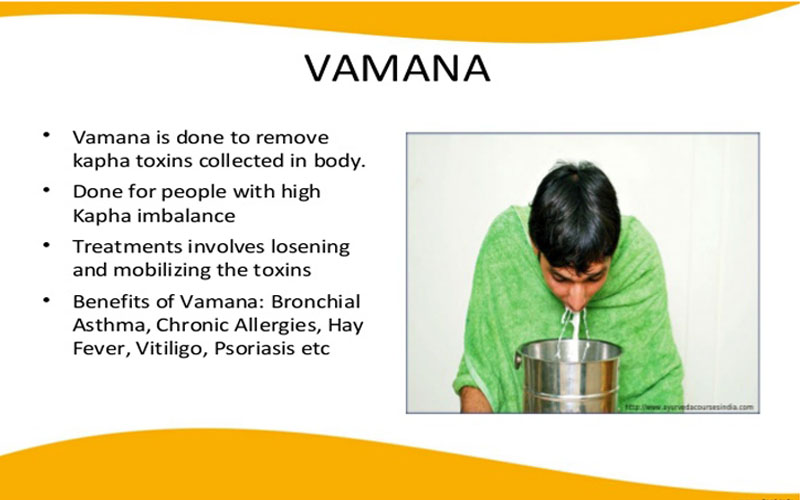
Vamana is a traditional Ayurvedic Panchakarma therapy that involves medically supervised therapeutic vomiting to help eliminate excess Kapha Dosha from the body. It is performed after proper preparation and an Ayurvedic physician’s assessment to determine whether the procedure is suitable for the individual.
At Sankalp Hospital, Vamana Panchakarma Treatment in Vadaj, Ahmedabad, is offered as part of traditional Ayurvedic care. The treatment plan depends on the person’s health condition, Ayurvedic assessment, medical history, and individual requirements.
If you are looking for Vamana treatment in Vadaj, Ahmedabad, a consultation can help you understand the procedure, its potential benefits, preparation requirements, and safety considerations.
What Is Vamana Panchakarma Treatment?
Vamana is one of the five principal procedures of Panchakarma in Ayurveda. It is a therapeutic procedure in which vomiting is induced under professional supervision using prescribed substances and a carefully planned process.
According to Ayurvedic principles, Vamana is primarily associated with managing aggravated Kapha Dosha. The treatment involves preparation of the body, administration of prescribed medicines, and monitoring throughout the procedure.
Unlike ordinary vomiting caused by illness, therapeutic Vamana is a planned medical procedure that requires appropriate patient selection, preparation, and supervision.
Why Is Vamana Treatment Performed?
In Ayurveda, Vamana is traditionally used when a qualified practitioner determines that excess Kapha Dosha requires specific therapeutic management.
The main objectives may include:
-
Managing selected Kapha-related imbalances according to Ayurvedic principles.
-
Supporting traditional Ayurvedic care for certain respiratory and digestive complaints when clinically appropriate.
-
Following an individualized Panchakarma treatment plan.
-
Supporting overall wellbeing as part of a broader Ayurvedic care approach.
The suitability and expected outcomes vary from person to person. Vamana is not a guaranteed cure for any disease and should not replace necessary medical evaluation or prescribed treatment.
Understanding Kapha Dosha Treatment in Ahmedabad
Kapha Dosha is one of the three fundamental doshas described in Ayurveda, alongside Vata and Pitta. It is traditionally associated with stability, structure, lubrication, and nourishment.
According to Ayurvedic principles, an imbalance in Kapha may be associated with heaviness, excess mucus, congestion, and sluggishness. However, these symptoms can also have medical causes that require proper diagnosis.
KAPHA DOSHA Treatment in Ahmedabad may involve different Ayurvedic approaches depending on the person’s constitution, symptoms, lifestyle, and overall health.
Vamana may be considered in selected cases when the Ayurvedic practitioner identifies an appropriate indication. It is not automatically recommended for everyone experiencing cough, mucus, allergies, skin problems, or digestive discomfort.
How Is Vamana Panchakarma Treatment Performed?
Vamana follows a planned process. The exact procedure, preparation, medicines, and duration depend on the individual’s health and the treating physician’s assessment.
1. Initial Consultation and Health Assessment
The process begins with an assessment of medical history, current symptoms, medications, physical condition, and Ayurvedic constitution. The practitioner determines whether Vamana is appropriate or whether another treatment would be safer.
2. Preparation Before Treatment
If the procedure is considered suitable, the practitioner may prescribe preparatory measures such as dietary changes and specific Ayurvedic therapies. These steps are planned according to the individual’s condition and should only be followed under professional guidance.
3. Supervised Vamana Procedure
The prescribed substances are administered according to the treatment plan. Therapeutic vomiting is then induced under trained supervision, with attention to the person’s condition and response throughout the procedure.
4. Observation and Post-Treatment Care
After the procedure, the patient is monitored and given specific instructions regarding rest, hydration, diet, and recovery. The practitioner determines when normal activities and dietary routines can be resumed.
Important: Vamana should never be attempted at home using self-selected medicines, herbs, or vomiting-inducing substances. Unsupervised vomiting can cause dehydration, electrolyte disturbances, aspiration, and other serious complications.
Potential Benefits of Vamana Treatment
In traditional Ayurvedic practice, Vamana is intended to help manage selected conditions associated with aggravated Kapha Dosha. Potential benefits described in Ayurvedic practice include:
-
A traditional approach to managing selected Kapha imbalances.
-
A structured Panchakarma procedure tailored to individual needs.
-
An opportunity to receive personalized Ayurvedic guidance on diet and daily routines.
-
Support for a broader wellness plan when recommended by a qualified practitioner.
Some traditional sources also associate Vamana with respiratory congestion, certain skin conditions, and digestive complaints. However, evidence for these uses varies, and the treatment has not been established as a cure for asthma, psoriasis, or other chronic diseases.
The actual outcome depends on the individual’s condition, suitability for treatment, and overall care plan. Benefits cannot be guaranteed.
Who May Be Suitable for Vamana Treatment?
Vamana may be considered for selected individuals after a detailed assessment by a qualified Ayurvedic physician.
The practitioner will evaluate factors such as:
-
Current symptoms and health concerns.
-
Medical history and ongoing medications.
-
General strength, nutritional status, and hydration.
-
Age and overall physical condition.
-
Potential risks, contraindications, and alternative treatment options.
Vamana may be unsuitable for pregnant individuals, frail or debilitated patients, people with significant dehydration, and those with certain medical conditions. Children, older adults, and people with chronic illnesses require particular caution and individualized medical assessment.
A consultation is essential before deciding whether this therapy is appropriate.
Why Choose a Panchakarma Center in Ahmedabad?
Choosing a suitable Panchakarma center involves more than selecting a treatment by name. Vamana is a procedure that requires trained supervision, appropriate preparation, careful monitoring, and clear post-treatment instructions.
When considering a panchkarm center in Ahmedabad, look for:
-
Consultation with a qualified Ayurvedic physician.
-
An individual assessment before treatment.
-
Clear explanations of the procedure, expected outcomes, and risks.
-
Proper hygiene and suitable treatment facilities.
-
Monitoring during the procedure and recovery.
-
Guidance on follow-up care and when to seek medical attention.
Sankalp Hospital in Vadaj provides Ayurvedic and Panchakarma services. Patients can contact the hospital to enquire about Vamana treatment, the consultation process, and the facilities available for supervised care.
Vamana Treatment in Vadaj, Ahmedabad, at Sankalp Hospital
If you are considering Vamana Panchakarma Treatment in Vadaj, Ahmedabad, Sankalp Hospital offers a local point of contact for understanding this traditional Ayurvedic procedure.
The treatment should begin with a consultation to assess your health, discuss your concerns, and determine whether Vamana or another approach is suitable for you.
The aim is to provide clear information about the procedure and help you make an informed decision based on professional advice rather than relying on self-treatment or general online recommendations.
Location: Sankalp Hospital, Akhbarnagar Circle, Vadaj, Ahmedabad, Gujarat 380013.
Contact: +91 96620 08511.
Contact the hospital to enquire about consultation availability and Vamana Panchakarma services.
Frequently Asked Questions
What is Vamana Panchakarma treatment?
Vamana Panchakarma is a traditional Ayurvedic procedure involving medically supervised therapeutic vomiting. It is primarily associated with managing aggravated Kapha Dosha in selected individuals after appropriate assessment.
Where can I get Vamana treatment in Vadaj, Ahmedabad?
You can contact Sankalp Hospital at Akhbarnagar Circle, Vadaj, Ahmedabad, to enquire about Vamana treatment and arrange a consultation to assess your suitability.
Is Vamana treatment used for Kapha Dosha?
Yes. In Ayurveda, Vamana is traditionally associated with managing aggravated Kapha Dosha. Whether it is appropriate depends on the individual’s condition and a qualified practitioner’s assessment.
How is Vamana treatment performed?
The procedure generally involves an initial consultation, prescribed preparation, administration of selected substances under supervision, therapeutic vomiting, and post-treatment observation and dietary guidance.
Is Vamana treatment safe for everyone?
No. Vamana is not suitable for everyone and can cause complications, including dehydration and electrolyte disturbances. A qualified practitioner must assess medical history, current health, medications, and potential contraindications before treatment.
How long does Vamana treatment take?
The duration varies according to the individual’s preparation, the prescribed procedure, and recovery requirements. The treating practitioner can explain the expected schedule during consultation.
Can Vamana cure asthma or skin diseases?
Vamana is described in traditional Ayurvedic practice for selected conditions, but it should not be considered a proven cure for asthma, psoriasis, or other chronic diseases. Do not stop prescribed medicines or delay evidence-based medical care.
How can I book a consultation for Vamana treatment in Ahmedabad?
Contact Sankalp Hospital at +91 96620 08511 to enquire about consultation availability, the assessment process, and whether Vamana treatment may be appropriate for you.
Book a Consultation for Vamana Panchakarma Treatment
Looking for Vamana treatment in Vadaj, Ahmedabad? Contact Sankalp Hospital to learn about the procedure, understand its potential benefits and risks, and receive professional guidance on suitable Ayurvedic treatment options.
Your treatment plan should always be based on an individual assessment, appropriate medical supervision, and your overall health needs.

A good and healthy body is the reason behind a healthy mind
Our professional team works to increase productivity and cost effectiveness on the market