Kati Basti Panchakarma Treatment in Vadaj, Ahmedabad
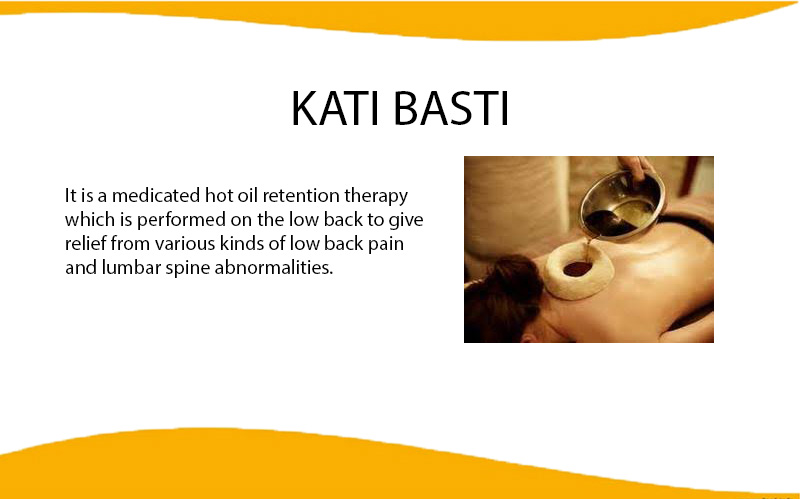
Kati Basti is a traditional Ayurvedic therapy that involves placing warm medicated oil over the lower back for a specific period. The oil is held in place using a ring made from specially prepared dough. This therapy is traditionally used to support comfort and relaxation in the lower back and may be considered for people experiencing back pain or stiffness after an appropriate assessment.
At Sankalp Hospital, Nava Vadaj, Ahmedabad, patients can enquire about Kati Basti Panchakarma Treatment in Vadaj, Ahmedabad and learn whether this therapy is suitable for their needs. The treatment plan depends on the patient’s symptoms, medical history, and the practitioner’s assessment.
If you are looking for Kati Basti treatment in Vadaj, Ahmedabad, understanding the procedure, its traditional uses, potential benefits, and precautions can help you make an informed decision.
What Is Kati Basti Treatment?
Kati Basti is an external Ayurvedic therapy in which warm medicated oil is retained over the lower back. In Sanskrit, “Kati” refers to the lower back, while “Basti” refers to holding or retaining.
During the procedure, a ring made from dough is placed over the lower back to create a small reservoir. Warm medicated oil is poured into this space and maintained at a comfortable temperature for a prescribed period.
The gentle warmth and contact with the oil may help promote relaxation and temporary relief from muscular stiffness for some people. Kati Basti is a traditional external therapy and is different from internal Basti, which involves administering medicines through the rectum.
A qualified Ayurvedic practitioner should assess the patient’s condition before recommending this treatment.
What Are the Benefits of Kati Basti Panchakarma Treatment?
Kati Basti is traditionally used as part of Ayurvedic care for lower-back discomfort and stiffness. Its potential benefits may include:
-
Relaxation of back muscles: The warmth may help relax tense muscles and improve comfort.
-
Temporary relief from stiffness: Some people may experience a reduction in the feeling of tightness in the lower back.
-
Localised warmth: Warm oil provides sustained warmth to the treatment area, which may feel soothing.
-
Supportive care for back discomfort: The therapy may be considered as part of an individualised plan for selected cases of lower-back pain.
-
A relaxing treatment experience: The procedure involves resting comfortably while the oil is maintained over the lower back.
Results vary between individuals, and scientific evidence supporting Kati Basti for specific back conditions remains limited. It should not be presented as a cure for spinal disorders, slipped discs, or nerve compression.
Which Conditions May Be Considered for Kati Basti?
A practitioner may consider Kati Basti as a supportive therapy for selected cases of lower-back discomfort after reviewing the patient’s symptoms and health history.
1. Lower-Back Pain
People experiencing muscular discomfort in the lower back may ask whether Kati Basti is appropriate for their condition. The cause of the pain should be assessed before starting treatment.
2. Back Stiffness
Warm oil therapy may provide a soothing experience for some people with muscular tightness or stiffness. Persistent or worsening stiffness requires appropriate medical evaluation.
3. Muscle Tension
People with muscle tension associated with prolonged sitting or certain daily activities may discuss Kati Basti with an Ayurvedic practitioner as part of a broader care plan.
4. Age-Related Back Discomfort
Some people experience back discomfort as they get older. Treatment should be selected according to the underlying cause, mobility, medical history, and overall health.
5. Supportive Care Alongside Other Treatments
Depending on the diagnosis, Kati Basti may be discussed as a complementary therapy alongside suitable exercises, physiotherapy, or other recommended care. It should not replace necessary medical treatment.
How Is Kati Basti Treatment Performed?
The procedure is carried out by a trained practitioner or therapist under appropriate supervision. The exact steps and duration may vary according to the patient’s needs and the treatment protocol.
Step 1: Initial Consultation
The practitioner reviews the patient’s back pain, medical history, current medicines, and any existing spinal or skin conditions. This helps determine whether Kati Basti is suitable.
Step 2: Positioning the Patient
The patient is guided into a comfortable position that allows the lower-back area to be accessed safely.
Step 3: Preparing the Dough Ring
A ring made from specially prepared dough is placed over the selected area of the lower back. It is carefully sealed to prevent the oil from leaking.
Step 4: Applying Warm Medicated Oil
Warm medicated oil is poured into the ring and maintained at a safe temperature. The therapist monitors the oil to reduce the risk of burns or skin irritation.
Step 5: Removing the Oil and Aftercare
After the prescribed period, the oil and dough ring are removed, and the area is cleaned. The practitioner provides guidance about rest and any further treatment sessions.
A session often lasts around 30 to 45 minutes, although the actual duration may vary. The number of sessions depends on the patient’s condition and the practitioner’s recommendations.
Who May Be Suitable for Kati Basti?
Kati Basti may be considered by people seeking traditional Ayurvedic supportive care for selected lower-back complaints.
It may be discussed with a practitioner if you experience:
-
Occasional muscular discomfort in the lower back
-
Mild back stiffness
-
Muscle tightness following routine daily activities
-
Lower-back discomfort that has already been appropriately assessed
Suitability depends on the cause of the symptoms. Back pain can result from muscular strain, spinal conditions, nerve problems, fractures, or other medical issues. An accurate assessment is important before beginning therapy.
Who Should Avoid or Delay Kati Basti?
Kati Basti may not be suitable for everyone. Inform the practitioner if you have a skin condition, reduced sensation, a recent back injury, recent surgery, or another significant medical condition.
The procedure may need to be avoided or postponed in cases involving:
-
Open wounds, skin infections, or irritation in the treatment area
-
Suspected fractures or recent significant back injuries
-
Reduced skin sensation that makes it difficult to detect excessive heat
-
Fever or an acute illness
-
Medical conditions that require a different treatment approach
Seek urgent medical care for back pain accompanied by new leg weakness, loss of bladder or bowel control, numbness around the groin, or other serious symptoms.
Why Choose Sankalp Hospital?
Sankalp Hospital is located in the Nava Vadaj area of Ahmedabad and offers Ayurvedic services. Patients interested in Kati Basti can contact the hospital to confirm current availability and arrange a consultation.
Before starting treatment, it is important to understand how the therapy will be performed and whether it is appropriate for your symptoms.
When considering an Ayurvedic treatment facility, look for:
-
An individual consultation before starting therapy
-
A treatment plan based on your health condition
-
Careful monitoring of oil temperature
-
Appropriate hygiene and skin-safety measures
-
Clear guidance about the possible benefits and limitations
-
Follow-up advice when additional treatment or medical evaluation is needed
A personalised assessment can help determine whether Kati Basti is suitable or whether another treatment approach would be more appropriate.
Kati Basti Panchakarma Treatment in Vadaj, Ahmedabad
If you are searching for Kati Basti Panchakarma Treatment in Vadaj, Ahmedabad, Sankalp Hospital is a local facility you can contact to enquire about Ayurvedic consultation and treatment availability.
Kati Basti focuses on the lower-back area and is traditionally used to support comfort and relaxation. The treatment should be recommended according to the patient’s symptoms and medical history rather than used as a substitute for diagnosing the cause of back pain.
For people looking for a Panchakarma centre in Ahmedabad, it is important to choose a facility that explains its therapies clearly, provides appropriate supervision, and considers individual health needs before starting treatment.
Proctology Clinic in Vadaj, Ahmedabad
Sankalp Hospital also offers services related to anorectal conditions. Patients searching for a Proctology clinic in Vadaj, Ahmedabad can enquire separately about consultations for piles, anal fissures, fistulas, and other anorectal problems.
Proctology services address conditions that are different from the lower-back concerns for which Kati Basti may be considered. An accurate diagnosis is necessary to determine the appropriate treatment for each condition.
If you have symptoms such as rectal bleeding, persistent anal pain, or swelling around the anus, seek an appropriate medical assessment rather than assuming that Kati Basti is suitable.
Frequently Asked Questions
1. What is Kati Basti treatment?
Kati Basti is a traditional Ayurvedic therapy in which warm medicated oil is held over the lower back using a ring made from dough. It is commonly considered for selected cases of lower-back discomfort and stiffness.
2. What is Kati Basti Panchakarma treatment used for?
Kati Basti is traditionally used to support comfort and relaxation in the lower back. It may be considered for selected muscular discomfort or stiffness, but its effectiveness varies and scientific evidence remains limited.
3. How long does a Kati Basti session take?
A session commonly lasts around 30 to 45 minutes. The exact duration depends on the practitioner’s protocol and the patient’s needs.
4. How many Kati Basti sessions are required?
There is no fixed number of sessions suitable for everyone. The recommended course depends on the cause and severity of the symptoms, the patient’s response, and the practitioner’s assessment.
5. Is Kati Basti helpful for lower-back pain?
Kati Basti may provide temporary comfort or relaxation for some people with muscular discomfort. However, it does not treat every cause of back pain and should not replace medical assessment or necessary treatment.
6. Is Kati Basti safe?
It may be appropriate for selected patients when performed under professional supervision. Excessively hot oil can cause burns, and the therapy may be unsuitable for people with certain skin, sensory, or medical conditions.
7. Is Kati Basti the same as Basti therapy?
No. Kati Basti is an external therapy in which oil is retained over the lower back. Internal Basti is a different Ayurvedic procedure involving the administration of medicines through the rectum.
8. Where can I enquire about Kati Basti treatment in Vadaj, Ahmedabad?
You can contact Sankalp Hospital in Nava Vadaj, Ahmedabad, to ask about Kati Basti availability, consultation timings, and appointment requirements.
9. How do I choose a Panchakarma centre in Ahmedabad?
Choose a facility that offers individual assessment, qualified practitioners, appropriate hygiene, clear explanations of treatment risks and benefits, and follow-up guidance. Confirm that the required therapy is available before booking.
Book a Consultation
Looking for information about Kati Basti treatment in Vadaj, Ahmedabad? Contact Sankalp Hospital to enquire about Ayurvedic consultation, treatment availability, and the procedure.
Discuss your symptoms and medical history with a qualified practitioner before beginning therapy. An individual assessment can help you understand the available options and decide whether Kati Basti is appropriate for your needs.

A good and healthy body is the reason behind a healthy mind
Our professional team works to increase productivity and cost effectiveness on the market