Basti Panchakarma Treatment in Vadaj, Ahmedabad
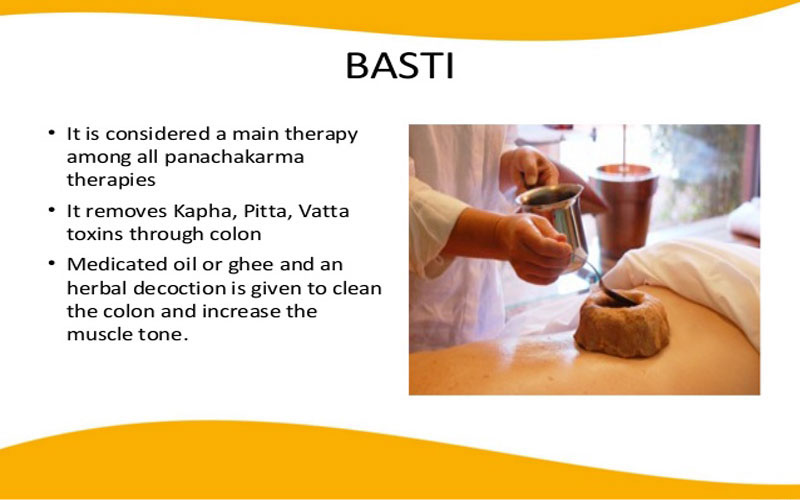
Basti is a traditional Ayurvedic Panchakarma therapy mainly used to manage Vata Dosha imbalance. It involves the controlled administration of specially prepared medicated oils or herbal decoctions through the rectum under professional supervision. In Ayurveda, Basti is considered an important therapy for supporting digestive health, bowel function and conditions associated with Vata imbalance.
At Sankalp Hospital, we provide Basti Panchakarma Treatment in Vadaj, Ahmedabad, with an individual approach based on each patient’s health condition, age, body constitution and treatment requirements. Our aim is to offer appropriate Ayurvedic care in a comfortable and professionally supervised environment.
If you are looking for Basti treatment in Vadaj, Ahmedabad, our team can help you understand the procedure, its possible benefits and whether it is suitable for your health needs.
What Is Basti Treatment in Ayurveda?
Basti is one of the five main therapies of Panchakarma, a traditional Ayurvedic treatment system. It is also known as Vasti Karma or medicated enema therapy.
During Basti treatment, an Ayurvedic practitioner introduces a carefully selected herbal oil or liquid preparation into the rectum. The medicine, quantity and treatment schedule are selected according to the patient’s health and Ayurvedic assessment.
According to Ayurvedic principles, Basti is especially associated with balancing Vata Dosha, which is believed to influence movement, digestion and several bodily functions.
Unlike an ordinary enema, which is generally used to empty the bowel, Ayurvedic Basti follows specific traditional methods and may use different medicinal preparations depending on the purpose of treatment.
Why Is Basti Important for Vata Dosha Treatment?
In Ayurveda, Vata is one of the three main Doshas, along with Pitta and Kapha. Vata is traditionally associated with movement, circulation, nerve activity and digestive functions.
An imbalance in Vata Dosha is believed to be associated with symptoms such as constipation, abdominal discomfort, dryness, stiffness and irregular bowel movements.
Basti is traditionally recommended as an important therapy for managing Vata imbalance because Ayurveda considers the large intestine an important site of Vata activity.
At Sankalp Hospital, patients seeking Vata Treatment in Ahmedabad can receive an Ayurvedic consultation to determine whether Basti therapy may be appropriate for their condition.
It is important to understand that Vata imbalance is an Ayurvedic concept, not a modern medical diagnosis. Persistent symptoms should also be evaluated for possible medical causes.
Types of Basti Panchakarma Treatment
Different types of Basti are described in Ayurveda. The selection depends on the patient’s condition, treatment goals and professional assessment.
1. Anuvasana Basti (Medicated Oil Basti)
Anuvasana Basti involves administering a specially prepared medicated oil through the rectum. In traditional Ayurveda, this therapy is commonly associated with dryness and Vata-related imbalances.
2. Niruha Basti (Asthapana Basti)
Niruha Basti uses a herbal decoction-based preparation that may also contain other ingredients selected by the Ayurvedic practitioner.
This therapy is traditionally used as part of Panchakarma programmes for managing Vata-related concerns.
3. Matra Basti
Matra Basti is a form of oil-based Basti administered in a comparatively small quantity. It may be recommended in selected cases depending on the patient’s strength, digestive condition and treatment needs.
4. Yoga Basti
Yoga Basti is a traditional treatment schedule consisting of eight Basti procedures using specified combinations of oil-based and decoction-based therapies.
5. Kala Basti
Kala Basti is a longer traditional Basti programme involving a planned sequence of different Basti preparations. The exact schedule is decided by the practitioner.
6. Karma Basti
Karma Basti is an extended traditional Panchakarma programme involving multiple Basti sessions. It requires careful patient selection and medical supervision.
7. Bruhana Basti
Bruhana Basti is traditionally described as a nourishing type of Basti. Ayurvedic practitioners may consider it in selected patients based on their constitution and overall health.
Important: Not every type of Basti is suitable for every patient. The preparation, frequency and duration must be decided after an appropriate consultation.
Potential Benefits of Basti Panchakarma Treatment
Basti therapy has traditionally been used in Ayurveda for different health concerns. Its potential benefits depend on the patient’s condition and the type of treatment selected.
Supports Bowel Function
Basti is traditionally used for certain digestive and bowel-related complaints, including constipation and irregular bowel movements. However, persistent constipation requires medical assessment to identify its cause.
Helps Manage Vata Imbalance
Basti is considered an important part of traditional Ayurvedic care for Vata-related conditions. Practitioners may recommend it as part of a wider treatment plan that includes diet and lifestyle advice.
Supports Digestive Comfort
Some patients seek Ayurvedic Basti therapy for abdominal discomfort, bloating and irregular digestion. Whether the procedure is appropriate depends on the underlying cause of these symptoms.
Traditional Support for Joint and Back Discomfort
Ayurvedic practitioners sometimes include Basti in treatment plans for people experiencing joint stiffness, lower back discomfort or other symptoms traditionally associated with Vata imbalance.
Basti should not replace medical evaluation or proven treatment for arthritis, nerve compression or other musculoskeletal disorders.
Individualised Ayurvedic Wellness Care
Basti may be included in a broader Panchakarma programme designed around the patient’s constitution, lifestyle and health concerns.
Note: Scientific evidence supporting Basti for many of these conditions remains limited. Benefits are not guaranteed, and treatment should be provided only when clinically appropriate.
How Is Basti Panchakarma Treatment Performed?
Basti treatment is carried out through a planned process under the guidance of a qualified Ayurvedic practitioner.
Step 1: Initial Ayurvedic Consultation
The practitioner reviews the patient’s medical history, current symptoms, digestive health, medications and general physical condition.
This assessment helps determine whether Basti is suitable and whether additional medical evaluation is required.
Step 2: Preparation Before Treatment
Depending on the patient’s condition, the practitioner may recommend specific dietary instructions or traditional preparatory procedures.
Patients are informed about the procedure and any precautions they need to follow.
Step 3: Selection of Basti Medicine
The Ayurvedic practitioner selects the appropriate medicated oil or herbal decoction and determines the quantity according to the treatment plan.
Step 4: Administration of Basti
The patient is positioned appropriately, and the prescribed preparation is introduced into the rectum using suitable equipment and hygienic techniques.
The procedure should be performed by trained personnel under professional supervision.
Step 5: Observation After Treatment
The patient is monitored after the procedure. The practitioner may provide guidance about bowel movements, rest, hydration and possible temporary discomfort.
Step 6: Follow-Up and Lifestyle Guidance
Follow-up care may include dietary recommendations, lifestyle changes and further treatment sessions if required.
The number of sessions varies according to the type of Basti and the patient’s response.
Who May Be Considered for Basti Treatment?
An Ayurvedic practitioner may consider Basti as part of an individual treatment plan for patients experiencing:
-
Constipation or irregular bowel movements
-
Digestive discomfort associated with Vata imbalance
-
Abdominal bloating
-
Joint stiffness or musculoskeletal discomfort
-
Symptoms traditionally associated with increased Vata Dosha
-
Certain chronic concerns where supervised Panchakarma care is being considered
These symptoms can have many different causes. Basti is not automatically suitable for everyone experiencing them.
When Should Basti Treatment Be Avoided?
Basti is a medical procedure involving rectal administration and is not risk-free. It may cause discomfort, rectal irritation, infection or injury, particularly when performed incorrectly.
Patients with active rectal bleeding, severe abdominal pain, suspected bowel obstruction, acute intestinal inflammation or recent bowel surgery should not undergo Basti without appropriate medical evaluation.
Pregnant patients and people with serious medical conditions should seek medical advice before considering this treatment.
If you have piles, fissures, fistulas or another anorectal condition, inform the practitioner before treatment. A proctology assessment may be necessary, and Basti may be unsuitable.
Never attempt medicated Basti therapy at home without appropriate professional guidance.
Why Choose Sankalp Hospital for Basti Treatment in Vadaj, Ahmedabad?
Sankalp Hospital provides Ayurvedic Panchakarma services in Vadaj, Ahmedabad. The hospital also offers specialised care for anorectal conditions.
Individual Patient Assessment
Treatment decisions are based on the patient’s symptoms, medical history and Ayurvedic evaluation rather than a standard treatment plan for everyone.
Panchakarma Treatment Services
Our hospital offers traditional Panchakarma services, including Basti, as part of its Ayurvedic care facilities.
Professional Guidance
Patients receive guidance regarding the procedure, preparation, aftercare and recommended follow-up.
Ayurvedic and Proctology Services
Sankalp Hospital also operates as a Proctology Clinic in Vadaj, Ahmedabad, offering assessment and treatment services for anorectal conditions.
Basti Panchakarma and proctology treatments serve different purposes. Patients with anorectal problems should undergo a proper examination before considering any rectal therapy.
Convenient Location in Vadaj
Our hospital is located near Akhbarnagar Circle in Vadaj, making it accessible to patients from surrounding areas of Ahmedabad.
Basti Panchakarma Treatment at Sankalp Hospital, Ahmedabad
If you are searching for a Panchkarm Center in Ahmedabad that provides Basti therapy, Sankalp Hospital offers Ayurvedic consultation and Panchakarma services in Vadaj.
Our approach focuses on understanding your health concerns, explaining available treatment options and selecting an appropriate plan after assessment.
Whether you are exploring Basti therapy for traditional Vata management or seeking advice about digestive discomfort, our team can guide you through the next steps.
Frequently Asked Questions
1. What is Basti Panchakarma treatment?
Basti is a traditional Ayurvedic therapy in which medicated oils or herbal decoctions are administered through the rectum. It is mainly associated with Vata Dosha management in Ayurveda.
2. Where can I get Basti Panchakarma Treatment in Vadaj, Ahmedabad?
Sankalp Hospital provides Basti Panchakarma Treatment in Vadaj, Ahmedabad. Patients can consult the hospital’s Ayurvedic team to learn about treatment suitability, preparation and available options.
3. Is Basti treatment helpful for Vata Dosha?
According to Ayurvedic principles, Basti is an important therapy for managing Vata imbalance. However, scientific evidence for treating specific medical conditions with Basti remains limited.
4. How many days does Basti treatment take?
The duration depends on the type of Basti, the patient’s condition and the prescribed treatment schedule. Some traditional programmes involve several sessions over multiple days.
5. Is Basti treatment painful?
Some patients may experience temporary discomfort, fullness or an urge to pass stool. The experience varies. Significant pain, bleeding or other concerning symptoms require immediate medical attention.
6. Can Basti treatment help with constipation?
Basti is traditionally used for certain bowel-related complaints, including constipation. However, the cause of constipation should be evaluated before choosing treatment.
7. What is the difference between Basti and a regular enema?
A regular enema is commonly used to empty the bowel. Ayurvedic Basti uses specific medicated preparations and follows traditional Panchakarma methods. Their purposes and supporting medical evidence differ.
8. Is Basti safe for everyone?
No. Basti is not suitable for everyone, especially people with certain bowel, rectal or serious medical conditions. A professional assessment is necessary before treatment.
9. Can patients with piles or fissures undergo Basti treatment?
Patients with piles, anal fissures or other anorectal conditions should consult a qualified healthcare professional before undergoing Basti. Rectal procedures may worsen some conditions and should not be performed without proper evaluation.
10. Where is Sankalp Hospital located for Basti treatment in Ahmedabad?
Sankalp Hospital is located at 1st Floor, Sangam Shopping Center, Near Siddhi Vinayak Temple, Akhbarnagar Circle, Vadaj, Ahmedabad, Gujarat 380013.
Book a Consultation for Basti Panchakarma Treatment in Vadaj, Ahmedabad
Looking for professional guidance about Basti Panchakarma Treatment in Vadaj, Ahmedabad?
Visit Sankalp Hospital to discuss your symptoms, understand the Basti procedure and find out whether this traditional Ayurvedic therapy is suitable for you.
Hospital: Sankalp Hospital
Address: 1st Floor, Sangam Shopping Center, Near Siddhi Vinayak Temple, Akhbarnagar Circle, Vadaj, Ahmedabad, Gujarat 380013
Contact: +91 9662008511
Schedule an appointment to learn more about Basti Panchakarma therapy and available Ayurvedic treatment options.

A good and healthy body is the reason behind a healthy mind
Our professional team works to increase productivity and cost effectiveness on the market